

As a seasoned supplier in the Fuel Vapor Valve Aftermarket, I've witnessed firsthand the numerous installation difficulties that mechanics and DIY enthusiasts encounter. These issues can range from simple compatibility challenges to complex electrical and mechanical problems. In this blog post, I'll delve into the most common installation difficulties of an aftermarket fuel vapor valve, drawing on my extensive experience in the field.
Compatibility Issues
One of the most prevalent installation difficulties is ensuring that the aftermarket fuel vapor valve is compatible with the vehicle's make, model, and year. Each vehicle has specific requirements for its evaporative emission control (EVAP) system, and using an incompatible fuel vapor valve can lead to poor performance, increased emissions, and even engine damage.
For instance, some vehicles may require a specific type of fuel vapor valve, such as a normally closed valve or a solenoid-operated valve. Others may have unique electrical connectors or mounting configurations that need to match the replacement valve. As a result, it's crucial to carefully research and select the right fuel vapor valve for your vehicle.

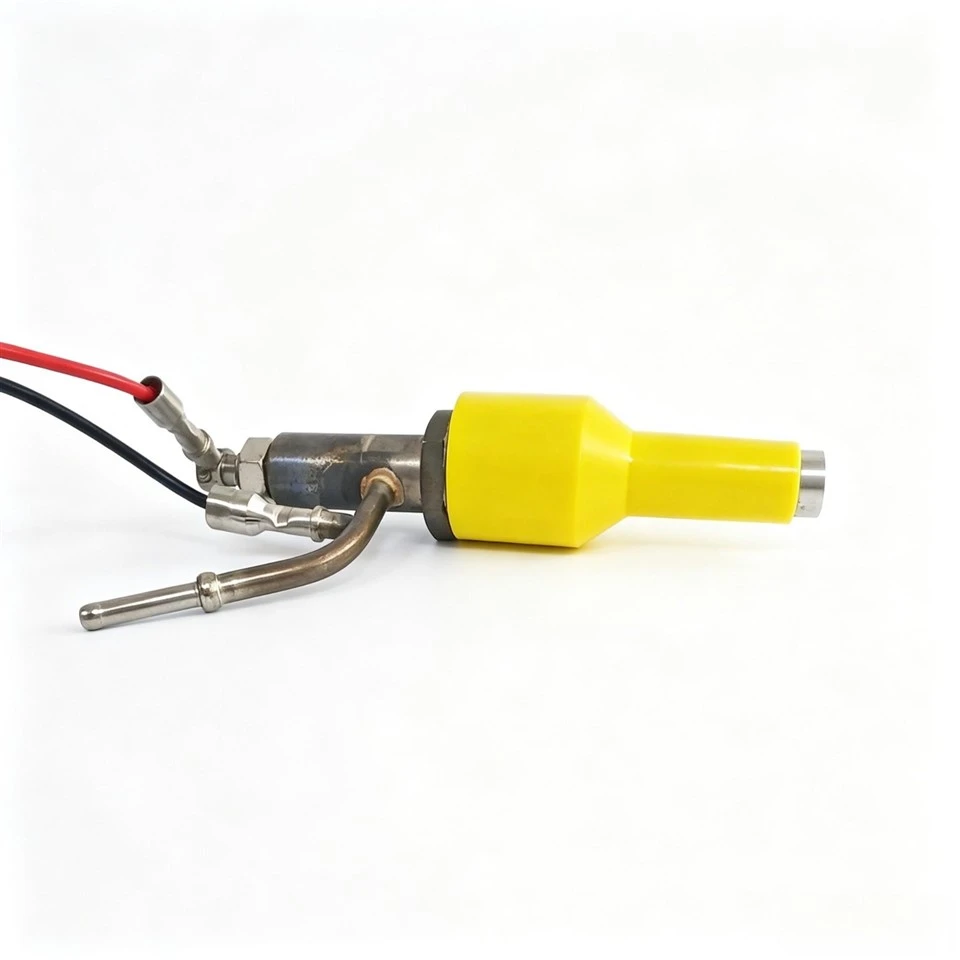
At our company, we offer a wide range of high-quality aftermarket fuel vapor valves, including the 2167210 OE Quality Fuel Vapor Valve for Long Service Life EVAP Applications SMPE 81013 and the 1877097 OEM Standard Fuel Vapor Valve for FORD Electronic EVAP Management Systems SMPE 81010. These valves are designed to meet or exceed the original equipment manufacturer (OEM) specifications, ensuring a perfect fit and optimal performance.
Electrical Connection Problems
Another significant challenge during the installation of an aftermarket fuel vapor valve is dealing with electrical connection problems. Most modern fuel vapor valves are electronically controlled, and improper electrical connections can cause the valve to malfunction or not work at all.
Common electrical issues include corroded connectors, loose wires, and incorrect wiring configurations. These problems can lead to intermittent valve operation, false check engine lights, and other performance issues. To avoid these problems, it's essential to carefully inspect the electrical connectors and wires before installation and ensure that they are clean, tight, and properly connected.
In some cases, you may need to use a wiring diagram or consult the vehicle's service manual to ensure that the electrical connections are correct. Additionally, using high-quality electrical connectors and insulation tape can help prevent future electrical problems.
Mounting and Sealing Challenges
Mounting the aftermarket fuel vapor valve correctly is also crucial for its proper functioning. The valve needs to be securely mounted in the correct location to ensure that it can effectively control the flow of fuel vapors. Improper mounting can lead to leaks, vibrations, and premature valve failure.
Moreover, achieving a proper seal between the fuel vapor valve and the vehicle's EVAP system is essential to prevent fuel vapor leaks. Leaks can not only cause increased emissions but also pose a safety hazard. When installing the valve, it's important to use the appropriate gaskets, seals, and O-rings and ensure that they are installed correctly.
For example, the 1879927 Fuel Vapor Valve OEM Supplier For FORD Passenger Car EVAP Systems S.I.D.A.T. 96007 comes with high-quality gaskets and seals to ensure a proper fit and seal. However, even with these components, it's important to follow the installation instructions carefully to avoid any sealing issues.
Vacuum Line Installation
Many fuel vapor valves are operated by vacuum, which means that the proper installation of vacuum lines is crucial. Incorrectly installed or damaged vacuum lines can cause the valve to malfunction, leading to issues such as rough idle, poor fuel economy, and increased emissions.
During installation, it's important to check the vacuum lines for any signs of damage, such as cracks, leaks, or kinks. Replace any damaged lines with new ones and ensure that they are properly connected to the fuel vapor valve and other components of the EVAP system.
In addition, some vehicles may have specific routing requirements for the vacuum lines, and it's important to follow these requirements to ensure proper valve operation. Paying attention to the details of vacuum line installation can significantly reduce the likelihood of future problems.
Calibration and Testing
After installing the aftermarket fuel vapor valve, it's essential to calibrate and test the EVAP system to ensure that it's working correctly. This may involve using a diagnostic scanner to check for any error codes, testing the valve's operation, and verifying that the system is holding vacuum.
Some vehicles may require a specific calibration procedure for the fuel vapor valve, which may involve resetting the EVAP system or performing a self-test. Failure to calibrate the system correctly can result in inaccurate readings, false check engine lights, and other performance issues.
At our company, we recommend that you consult the vehicle's service manual or a professional mechanic for proper calibration and testing procedures. This can help ensure that your vehicle's EVAP system is functioning optimally and that you're complying with environmental regulations.
Troubleshooting Complications
Even with careful installation and calibration, issues may still arise with the aftermarket fuel vapor valve. Troubleshooting these problems can be challenging, especially for those who are not familiar with the EVAP system.
Common troubleshooting complications include intermittent valve operation, check engine lights that won't reset, and incorrect diagnostic codes. When faced with these problems, it's important to have a systematic approach to troubleshooting. This may involve checking the electrical connections, vacuum lines, and valve operation again, as well as consulting the vehicle's service manual or a professional mechanic.
We also offer technical support to our customers who may be experiencing installation or troubleshooting difficulties. Our team of experts can provide guidance and assistance to help you resolve any issues with your aftermarket fuel vapor valve.
Conclusion
Installing an aftermarket fuel vapor valve can be a complex process, with several potential difficulties along the way. Compatibility issues, electrical connection problems, mounting and sealing challenges, vacuum line installation, calibration and testing, and troubleshooting complications are all common obstacles that you may encounter.
However, by carefully selecting the right valve for your vehicle, following the installation instructions precisely, and seeking professional help when needed, you can overcome these challenges and ensure a successful installation.
At our company, we're committed to providing high-quality aftermarket fuel vapor valves, such as the 9676829580 Fuel Vapor Valve for CITROËN European Automotive Aftermarket Distribution Programs SMPE 81014 and the 1837958 OE Quality Fuel Vapor Valve for FORD Passenger Car Vapor Recovery Applications VEMO V25-67-0001, along with excellent customer support. If you're facing challenges with your fuel vapor valve installation or are looking to purchase a high-quality replacement, we encourage you to contact us to discuss your needs. Our team of experts is ready to assist you in finding the perfect solution for your vehicle.
References
- Mitchell Repair Information Company. "Evaporative Emission Control Systems."
- Chilton Automotive Repair Manuals.


