Diesel Rough Idle: 10 Common Causes, Symptoms & Solutions
What Is Diesel Rough Idle?
Diesel rough idle refers to an unstable or uneven engine operation when a diesel vehicle is running at idle speed. Instead of maintaining a smooth and consistent idle, the engine may vibrate excessively, fluctuate in RPM, produce abnormal noise or occasionally stall.
A diesel engine rough idle problem can occur during cold starts, after the engine reaches operating temperature or under certain operating conditions.
For automotive technicians, identifying the root cause of diesel rough idle is essential to prevent unnecessary component replacement and restore proper engine performance.
One component that deserves particular attention during diesel engine troubleshooting is the EGR valve.
10 Common Causes of Diesel Engine Rough Idle
1. EGR Valve Malfunction
An Exhaust Gas Recirculation (EGR) valve regulates the amount of exhaust gas entering the engine intake.
If the EGR valve becomes stuck open, excessive exhaust gas may enter the intake at idle, disturbing combustion stability.
Possible symptoms include:
Unstable engine idle
Engine vibration
Engine stalling
Poor combustion
EGR-related fault codes
An EGR valve stuck closed may also affect emissions and engine management, although rough idle is not its typical universal symptom.
2. Carbon Buildup in the EGR System
Carbon deposits can accumulate inside EGR passages, the EGR valve and intake components.
Excessive carbon buildup may restrict airflow or interfere with valve movement, resulting in abnormal EGR flow and potentially unstable engine operation.
3. Fuel Injector Problems
Diesel injectors deliver precisely controlled quantities of fuel into the combustion chamber.
A faulty injector, incorrect fuel delivery, poor spray quality or excessive injector leakage may cause uneven combustion between cylinders.
Typical symptoms include:
Rough idle
Engine shaking
Increased fuel consumption
Abnormal exhaust smoke
Difficult starting
4. Fuel System Problems
Fuel system issues can affect the amount and consistency of fuel delivered to the engine.
Possible causes include:
Restricted fuel filter
Air entering the fuel system
Fuel supply pressure problems
Contaminated fuel
Fuel pump malfunction
These problems may cause unstable engine operation, especially at idle.
5. Air Intake Restrictions
Restricted airflow can disturb the combustion process.
Common causes include:
Dirty air filter
Intake manifold contamination
Restricted intake passages
Airflow sensor problems
6. MAF or MAP Sensor Malfunction
The Mass Air Flow (MAF) and Manifold Absolute Pressure (MAP) sensors provide important information to the engine control unit.
Incorrect sensor readings may affect engine management and EGR control, potentially contributing to poor idle quality.
7. Glow Plug or Cold-Start System Problems
During cold starts, diesel engines rely on appropriate combustion conditions to achieve stable operation.
Faulty glow plugs or glow plug control systems may cause:
Cold engine rough idle
Difficult starting
White smoke after startup
Uneven combustion during warm-up
Glow plug problems are generally more relevant to cold-start rough idle than fully warmed engine operation.
8. Compression Problems
Uneven cylinder compression can result in inconsistent combustion between cylinders.
Possible causes include:
Worn piston rings
Valve sealing problems
Cylinder wear
Head gasket damage
Compression-related rough idle may require more advanced engine testing.
9. Engine Mount Problems
Damaged engine mounts can increase vibration transmitted to the vehicle body.
The engine may actually maintain relatively stable RPM while the driver experiences excessive vibration.
This distinction is important because not all diesel engine vibration at idle originates from combustion problems.
10. Exhaust or Emission System Problems
Certain emission system problems can affect engine operation.
Examples include:
Restricted exhaust flow
EGR cooler blockage
Incorrect EGR operation
Exhaust system leaks affecting relevant sensors
The actual impact depends on the engine design and operating conditions.
Diesel Rough Idle When Cold vs. When Warm
Diesel Rough Idle When Cold
Cold-start rough idle may be associated with:
Glow plug malfunction
Poor fuel atomization
Injector problems
Low compression
Cold-start control issues
If the engine becomes smooth after warming up, technicians should focus on cold-start combustion conditions.
Diesel Rough Idle When Warm
Warm-engine rough idle may be associated with:
EGR valve sticking
Injector imbalance
Fuel delivery problems
Sensor abnormalities
Engine mechanical issues
An EGR valve that does not close properly during idle may introduce excessive exhaust gas and contribute to unstable combustion.
How to Diagnose Diesel Engine Rough Idle
A systematic diagnostic approach helps technicians identify the actual cause.
Step 1: Read Diagnostic Trouble Codes
Use an appropriate diagnostic scanner to identify stored and pending fault codes.
Commonly relevant codes may include:
P0401 – EGR Insufficient Flow
P0402 – EGR Excessive Flow
P0201–P0208 – Injector Circuit Faults
P0101 – MAF Range / Performance
These codes provide diagnostic clues but do not automatically identify the defective component.
Step 2: Check Engine Data
Review relevant live data, including:
Engine RPM
EGR commanded and actual position
MAF readings
MAP readings
Fuel pressure
Injector correction values, where available
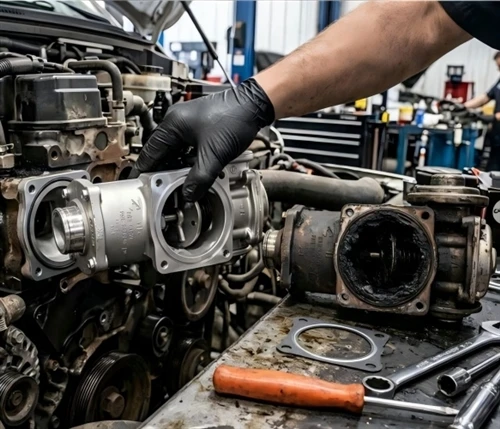
Step 3: Inspect the EGR Valve
Check for:
Carbon deposits
Mechanical sticking
Actuator problems
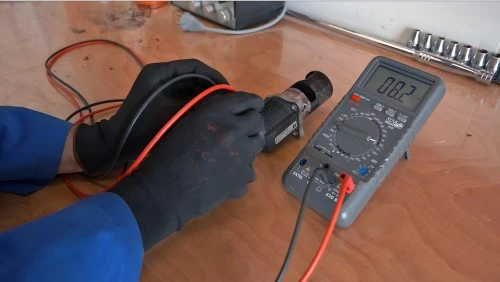
Electrical connection issues
Abnormal valve position feedback
Step 4: Check Fuel Injection Performance
Inspect injector operation and fuel system condition according to the manufacturer's diagnostic procedures.
Step 5: Inspect Air Intake and Sensors
Check the air filter, intake passages, MAF sensor, MAP sensor and relevant connections.
Step 6: Perform Additional Engine Testing
If the problem remains unresolved, further testing may include:
Injector balance testing
Fuel pressure testing
Compression testing
Cylinder contribution testing
Engine mount inspection
Can a Faulty EGR Valve Cause Diesel Rough Idle?
Yes. An EGR valve that remains open when EGR flow should be limited may introduce excessive exhaust gas into the intake, potentially disturbing combustion and causing unstable idle.
However, EGR valve problems are only one possible cause of diesel rough idle.
Fuel injectors, fuel supply, sensor readings, compression and engine mounts should also be considered during diagnosis.
How to Prevent Repeated Diesel Rough Idle Problems
Recommended maintenance practices include:
Inspect EGR system operation regularly.
Check for carbon accumulation in EGR passages.
Maintain the fuel system according to manufacturer requirements.
Replace fuel filters at appropriate service intervals.
Inspect air intake components and sensors.
Investigate fault codes before replacing components.
Use properly matched replacement parts.
Verify engine operation after repairs.
Correct diagnosis is essential to avoid repeated repairs and unnecessary replacement costs.
PINYI AUTO – Aftermarket EGR Valve Manufacturer
PINYI AUTO specializes in automotive emissions components for the aftermarket.
Our main product categories include:
EGR Valves
EVAP Purge Valves / Fuel Vapor Valves
AdBlue Heated Hoses / SCR Urea Hoses
Our EGR valve manufacturing capabilities include precision machining, controlled assembly processes and functional performance testing.
Our quality management and engineering processes include IATF 16949, APQP, PPAP and PFMEA.
We support automotive aftermarket distributors, importers, wholesalers and private-label brands looking for EGR valve sourcing and development solutions.
Looking for an aftermarket EGR valve supplier?
Contact PINYI AUTO to discuss product applications, OE cross-reference information, samples and business cooperation.
Frequently Asked Questions:
What is the most common cause of diesel rough idle?
There is no single universal cause. Fuel injector problems, EGR malfunction, fuel delivery issues, sensor abnormalities and engine mechanical problems are all possible causes.
Can an EGR valve cause diesel engine vibration at idle?
Yes. An EGR valve stuck open or operating incorrectly may introduce excessive exhaust gas into the intake, potentially causing unstable combustion and engine vibration.
Why does my diesel engine idle rough when cold but smooth when warm?
Cold-start rough idle may be related to glow plugs, injector performance, fuel delivery, compression or cold-start control conditions.
Can P0402 cause rough idle?
P0402 indicates EGR excessive flow. If excessive EGR flow occurs during idle, it may contribute to unstable combustion and rough idle.
Should I replace the EGR valve if my diesel engine idles rough?
Not immediately. First check diagnostic codes, EGR operation, injector performance, fuel supply, sensors and engine mechanical condition.
How do I choose a reliable aftermarket EGR valve supplier?
Evaluate vehicle application compatibility, OE cross-reference accuracy, functional testing, manufacturing quality controls and supplier engineering capabilities.
PINYI AUTO – Your Aftermarket Partner for EGR Valves, EVAP Purge Valves and AdBlue Heated Hoses.