EGR Valve Leaking: Symptoms, Causes, Diagnosis & Repair Solutions
1. What Does an EGR Valve Leak Mean?
An Exhaust Gas Recirculation (EGR) valve is an important component of an automotive emission control system. It regulates the flow of exhaust gas from the exhaust side back into the engine intake.
The EGR system helps reduce nitrogen oxide (NOx) emissions by lowering peak combustion temperatures under operating conditions when exhaust gas recirculation is required.
An EGR valve leak occurs when the valve or its associated sealing components fail to prevent unwanted gas flow or when exhaust gas escapes through a damaged connection or sealing surface.
Depending on the type of failure, EGR leakage can affect engine performance, emissions control and overall system reliability.
There are three important types of EGR-related leakage:
1. Internal EGR Valve Leakage
The EGR valve does not close completely when it should be closed. Exhaust gas continues flowing into the intake manifold, even when the ECU requests the valve to close.
2. External Exhaust Gas Leakage
Exhaust gas escapes through damaged gaskets, loose connections, cracked housings or damaged sealing surfaces around the EGR valve and related pipes.
3. EGR Cooler Coolant Leakage
In liquid-cooled EGR systems, a damaged EGR cooler may allow engine coolant to leak internally into the exhaust gas passage or externally from the cooler assembly.
Important: An EGR valve leak and an EGR cooler coolant leak are different problems. Correct identification is essential before replacing any components.
2. Six Common Symptoms of an EGR Valve Leak
How can you recognize a leaking EGR valve?
The symptoms depend on whether the leakage is internal, external or associated with the EGR cooler.
1. Rough Engine Idling
When the EGR valve fails to close properly, excessive exhaust gas may enter the intake manifold during idle.
This can disturb the air-fuel mixture and combustion stability, causing rough idling or engine vibration.
2. Loss of Engine Power
Uncontrolled EGR flow may reduce the amount of fresh air available for combustion under certain operating conditions.
Drivers may notice poor acceleration, reduced engine response or unstable engine performance.
3. Exhaust Gas Smell
External exhaust leakage around the EGR valve, pipes or connections may produce an unusual exhaust smell inside the engine compartment.
Exhaust gas exposure can be dangerous. Any suspected leak should be inspected and repaired promptly.
4. Black Smoke or Abnormal Exhaust Emissions
Incorrect EGR operation can disturb combustion and air management.
Depending on engine type and operating conditions, this may contribute to increased smoke or abnormal exhaust emissions.
5. Coolant Loss or White Exhaust Smoke
If the EGR cooler develops an internal coolant leak, coolant may enter the exhaust gas passage.
Possible symptoms include:
Unexplained coolant level reduction
White exhaust vapor or smoke
Coolant odor in the exhaust
Engine overheating in severe cases
These symptoms are not exclusive to EGR cooler failure. Other cooling system and engine problems must also be investigated.
6. Check Engine Light and EGR-Related Fault Codes
An EGR leakage problem may trigger diagnostic trouble codes depending on the vehicle's control strategy.
Possible codes include:
P0401 – EGR Insufficient Flow
P0402 – EGR Excessive Flow
P0404 – EGR Range / Performance
P0406 – EGR Sensor Circuit High
These codes do not directly confirm an EGR valve leak. Additional diagnostic testing is necessary.
3. Six Common Causes of EGR Valve Leakage
1. Damaged EGR Valve Sealing Surface
Wear, corrosion or physical damage to the valve seat may prevent the valve from closing completely.
As a result, exhaust gas can continue flowing when the valve should be closed.
2. Carbon and Soot Buildup
Carbon deposits can accumulate around the valve seat and internal moving components.
Heavy deposits may prevent proper valve closure and cause internal EGR leakage.
3. Damaged or Improperly Installed Gasket
An incorrect, damaged or improperly installed gasket may allow exhaust gas to escape from the EGR valve connection.
4. Cracked EGR Valve Housing or Pipe
Thermal stress, vibration, corrosion or mechanical damage may cause cracks in the EGR housing or connecting pipes.
These defects can result in external exhaust gas leakage.
5. EGR Actuator or Position Control Failure
A faulty actuator or position control system may prevent the valve from returning to its required closed position.
The valve may therefore remain partially open under operating conditions when it should be closed.
6. EGR Cooler Internal Damage
In water-cooled EGR systems, internal cooler damage may cause coolant to enter the exhaust gas passage.
This is an EGR system leakage problem, but it should not be confused with a leaking EGR valve itself.
4. How to Diagnose an EGR Valve Leak
Accurate diagnosis helps technicians avoid unnecessary component replacement.
The following inspection procedure can help identify the source of EGR leakage.
Step 1: Read Diagnostic Trouble Codes
Connect an OBD diagnostic scanner and check stored and pending fault codes.
Review relevant freeze-frame data and operating conditions.
Step 2: Inspect the EGR Valve and Connections
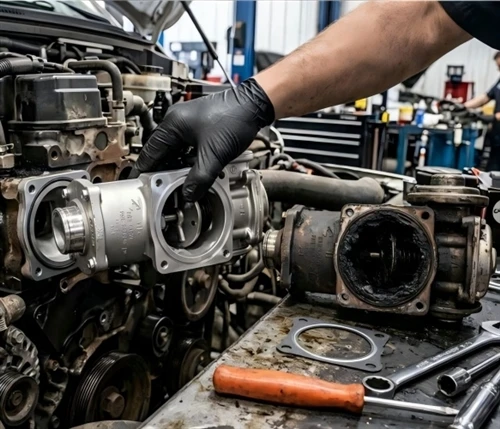
Check the valve housing, mounting surfaces, gaskets, pipes and connections for visible damage, soot marks or signs of exhaust leakage.
Step 3: Check Valve Closing Performance
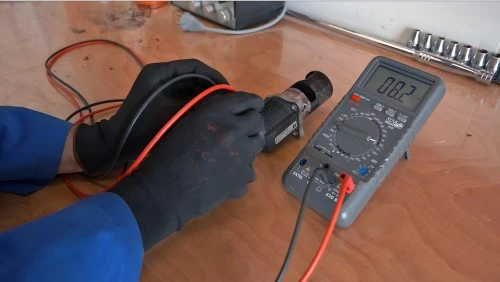
Use appropriate diagnostic equipment to compare commanded and actual EGR valve positions.
Verify whether the valve can return to its specified closed position.
Step 4: Inspect Carbon Deposits
Check the valve seat and internal moving components for carbon accumulation that may prevent proper sealing.
Step 5: Check the EGR Cooler
For liquid-cooled EGR systems, inspect coolant levels, cooler connections and evidence of internal or external coolant leakage.
Perform the appropriate pressure or leak test according to vehicle manufacturer procedures.
Step 6: Perform Functional Testing
Verify valve movement, sealing performance and relevant airflow or pressure readings.
Confirm that the repaired system operates correctly under the required test conditions.
5. How to Prevent EGR Valve Leakage
Preventive maintenance and correct component selection are important for long-term EGR system reliability.
Recommended practices include:
Inspect EGR valves and connections during scheduled maintenance.
Check valve seating and sealing performance.
Avoid incorrect gasket installation.
Inspect pipes and housings for corrosion or cracking.
Check actuator and position sensor operation.
Inspect EGR passages for excessive carbon deposits.
Check EGR cooler condition on liquid-cooled systems.
Use replacement components with appropriate vehicle application compatibility.
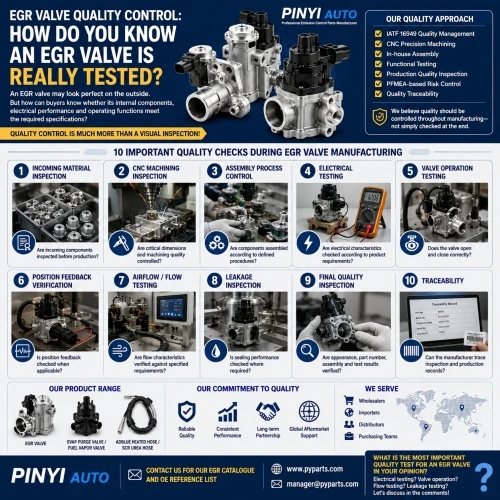
Choosing a properly developed aftermarket EGR valve with consistent manufacturing and functional testing is also important.
6. PINYI AUTO – Aftermarket EGR Valve Manufacturer
PINYI AUTO is a Chinese automotive emissions components manufacturer specializing in aftermarket replacement solutions.
Our main product categories include:
EGR Valves: Exhaust Gas Recirculation valves for automotive aftermarket applications.
EVAP Purge Valves: Fuel vapor control components for automotive emission systems.
AdBlue Heated Hoses: Heated hose solutions for SCR and AdBlue systems.
Our EGR valve manufacturing capabilities include:
◆IATF 16949 quality management system
◆APQP and PPAP processes
◆PFMEA risk analysis
◆Precision machining
◆Controlled assembly processes
◆Functional performance testing
◆Quality inspection and process control
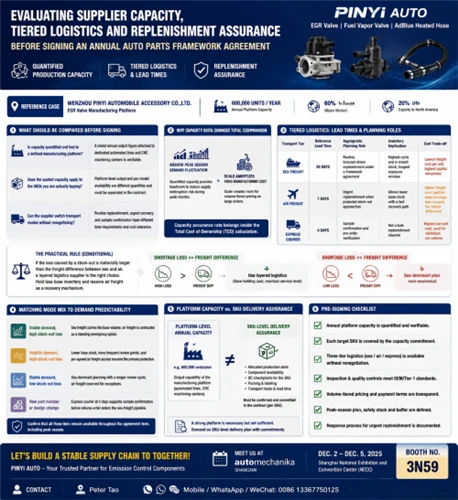
We focus on product consistency, application compatibility and manufacturing quality to support automotive aftermarket distributors, wholesalers, importers and private-label brands.
Whether you are developing an EGR product range or looking for an alternative aftermarket EGR valve supplier, PINYI AUTO welcomes business cooperation opportunities.
Contact PINYI AUTO for:
◆EGR valve product catalogues
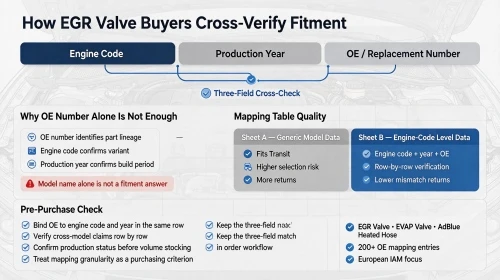
◆OE cross-reference information
◆Product specifications
◆Sample evaluation
◆Wholesale and private-label cooperation
7. Frequently Asked Questions About EGR Valve Leaking
Q1: What are the most common symptoms of an EGR valve leak?
Common symptoms may include rough idling, poor engine performance, exhaust gas smell, abnormal emissions and EGR-related fault codes. The exact symptoms depend on the type and location of the leak.
Q2: Can a leaking EGR valve cause rough idle?
Yes. If the EGR valve does not close properly, unwanted exhaust gas may enter the intake manifold at idle, potentially affecting combustion stability.
Q3: Can an EGR valve leak cause black smoke?
It can contribute to abnormal combustion and increased smoke under certain operating conditions. However, black smoke can also result from fuel injection, air intake, turbocharger or other engine problems.
Q4: Can an EGR valve leak cause coolant loss?
A leaking EGR valve itself does not normally cause coolant loss. However, an internally damaged liquid-cooled EGR cooler may allow coolant to enter the exhaust gas passage.
Q5: How do I know whether the EGR valve or gasket is leaking?
Inspect the valve housing, mounting surfaces and gasket area for soot deposits or visible exhaust leakage. Appropriate leak testing and inspection should be performed according to vehicle manufacturer procedures.
Q6: Should I replace the EGR valve if it is leaking?
Not necessarily. First identify whether the problem comes from the valve seat, gasket, pipe, actuator or EGR cooler. Replace the defective component and verify the repair through functional testing.
Q7: How can I choose a reliable aftermarket EGR valve?
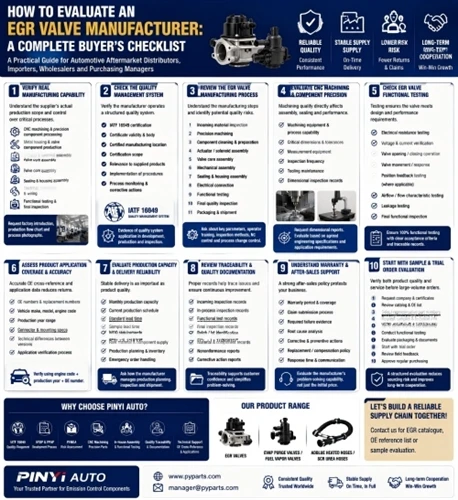
Check OE cross-reference compatibility, product specifications, sealing performance, manufacturing processes, quality management and functional testing capabilities.
PINYI AUTO – Professional Aftermarket Solutions for EGR Valves, EVAP Purge Valves and AdBlue Heated Hoses.